Ethical Recruitment

Your Safe Path to Japan Starts Here

Fujinova connects overseas workers with verified Japanese employers through Japan's SSW visa program โ€” with full government compliance, zero fees, and multilingual support from Day 1 to Year 5.

  • Age 18 or older
  • Working or trained in one of 14 SSW industries
  • JLPT N4 / JFT-Basic pass (or scheduled) โ€” or exempt via TITP
  • Skills Evaluation Test pass โ€” or exempt via TITP in the same industry
Skilled worker in aviation maintenance in Japan

Visa Approved

Processing complete & verified

Why Japan

Filipinos are in Japan โ€” and the demand is growing.

With over 245,000 Filipinos employed across Japan, the community is the country's 3rd largest foreign workforce. Manufacturing, services, and healthcare are actively hiring โ€” and Japanese language certification opens the door.

0+
Filipinos employed in Japan
3rd largest foreign workforce
0+
Filipinos living in Japan
4th largest foreign community
JLPT N4
Minimum Japanese level for SSW visas
Required at application stage
Where Filipinos work:Manufacturing32.3%Services20.0%Healthcare & Welfare8.8%
Sources: Japan Ministry of Health, Labour and Welfare (Oct 2024) ยท Immigration Services Agency of Japan (Dec 2024)
For Technical Intern Training Program (TITP) Workers

Already in Japan on the Technical Intern Training Program (TITP)? Your SSW Path Is Now Open

Japan is replacing TITP with the Employment for Skill Development (ESD) program, designed to fast-track workers into SSW. If you completed training in a designated SSW industry, you may qualify for SSW1 today โ€” without retaking the skills exam.

Check My SSW Eligibility โ†’
Language Requirement

Haven't Passed Your Language Test Yet?

JLPT N4 and JFT-Basic registration windows open a few times a year. Sign up and we'll notify you of upcoming test dates, share free study resources, and let you know the moment you're eligible to apply.

Notify Me of Test Dates โ†’

What to Expect When You Apply

The application walks you through 6 sections. Here's what each one covers.

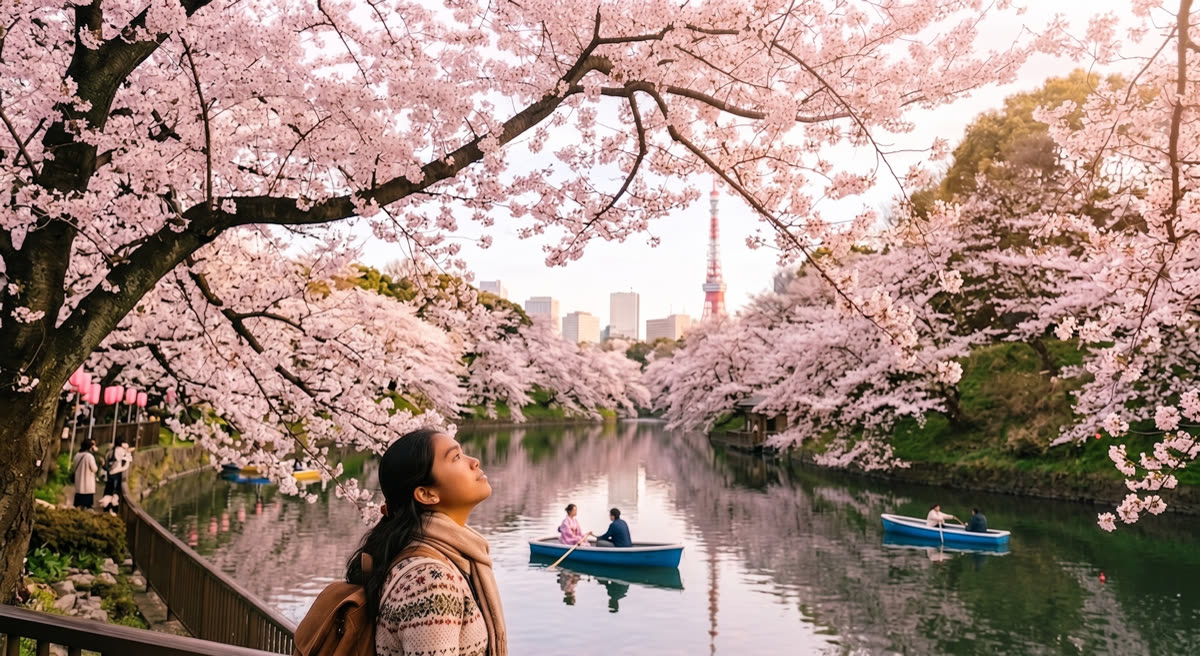
Filipina worker enjoying life in Japan
A

About You

Your name, date of birth, nationality, address, and phone number.

B

Your Goal

Which SSW industry you're targeting, your Japan work history, and your planned start date.

C

Japanese Language

Your current level, JLPT or JFT-Basic status, and whether you're actively studying.

D

Skills & Qualifications

Skills Evaluation Test status, relevant licenses, years of experience, and education.

E

Practical Readiness

Expected salary range, ability to cover pre-departure costs, and housing preference.

F

Final Details

How you heard about Fujinova and anything else you'd like us to know.

The Recruitment System Is Broken

Every year, thousands of skilled workers pay โ‚ฑ150,000โ€“โ‚ฑ300,000 in placement fees to agencies that disappear after sending them abroad.

Hidden Fees

Workers pay up to โ‚ฑ300K in illegal placement fees, often going into debt before they even start their first day of work.

No Post-Arrival Support

Once you land in Japan, traditional agencies disappear. No one to call when you need help navigating daily life or workplace problems.

Opaque Contracts

Contracts that don't match what was promised โ€” in Japanese only, with no one to explain your rights or help you push back.

Know Before You Go

The Dream Is Real. Make Sure the Offer Is Too.

You don't need to apply to start protecting yourself. Here's exactly what you should know about fees, employers, and your rights โ€” before you commit to anything, with anyone.

Under Philippine law, the cost of recruitment and placement is the employer's responsibility โ€” not yours. You should never be charged a placement fee to get an SSW job in Japan.

  • Employer pays recruitment and placement costs (POEA/DMW Rules 2016, Sec. 53).
  • A medical exam runs about โ‚ฑ2,000โ€“5,000 at an accredited clinic and should be employer-paid. If you fail it, you cannot be charged.
  • A licensed sending organization may charge limited, government-capped processing fees for documents and orientation โ€” never a placement fee. Always check the current cap with the DMW before you pay anything.
  • Anyone demanding a large upfront fee โ€” $5,000 or more is a known scam pattern โ€” or asking you to pay the Japanese employer directly is a red flag. Stop and verify.

Still unsure about an offer you've received?

Always verify a recruiter's license and the current fee rules directly with the Department of Migrant Workers (DMW) before you pay anything.

Check My Eligibility

Sources: POEA/DMW Revised Rules and Regulations Governing the Recruitment and Employment of Landbased OFWs (2016), Sec. 53โ€“55 ยท Department of Migrant Workers (DMW) advisories on placement fees ยท Japan SSW program support requirements. Fee figures are general guidance โ€” verify the current legal fee schedule with the DMW, which may change.

Why Fujinova

You Deserve Better Than Broken Promises

Every agency says they care. Here's the difference between saying it and building a system around it.

Zero Placement Fees

โ‚ฑ0.00. No hidden charges, no deductions from your salary. Employers pay all recruitment costs โ€” enforced by contract, not just promised.

10 Structured Support Activities

From airport pickup on Day 1 to career planning in Year 5 โ€” every support obligation is logged, tracked, and visible to you at all times.

Your Own Compliance Dashboard

See your visa status, support history, and employer transparency score in real time. You're never left guessing where you stand.

Ready to Start Your New Chapter in Japan?

Check your eligibility in 2 minutes. No commitment, no fees, no pressure.

Available in English and Japanese. More languages coming.